
Assisted Hearing Solutions for NDIS Participants in Perth

Bellman & Symfon technology that turns a doorbell, phone call or smoke alarm into a flashing light, a vibrating pad or a pager buzz — so being Deaf or hard of hearing is never the reason something gets missed.

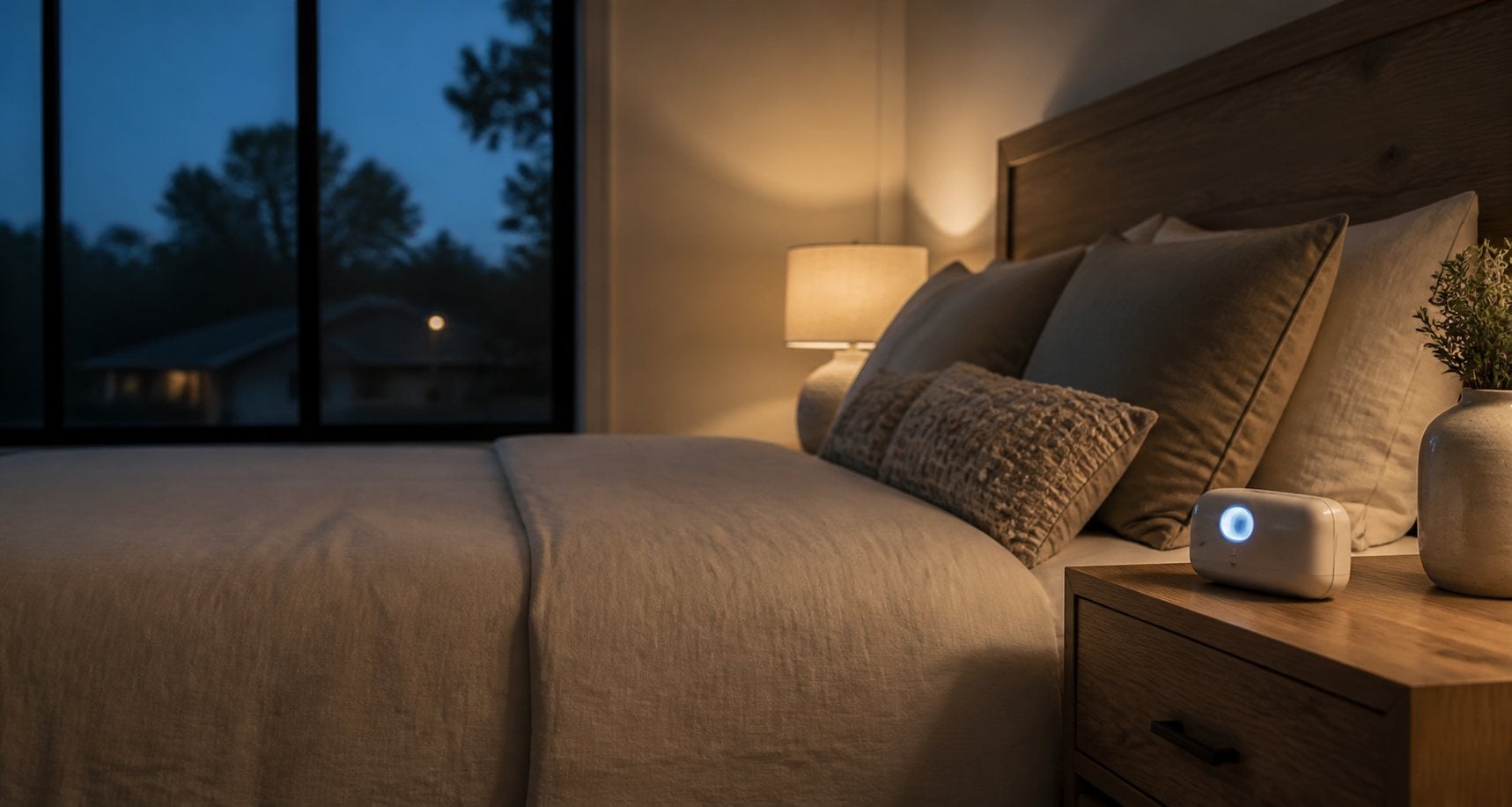
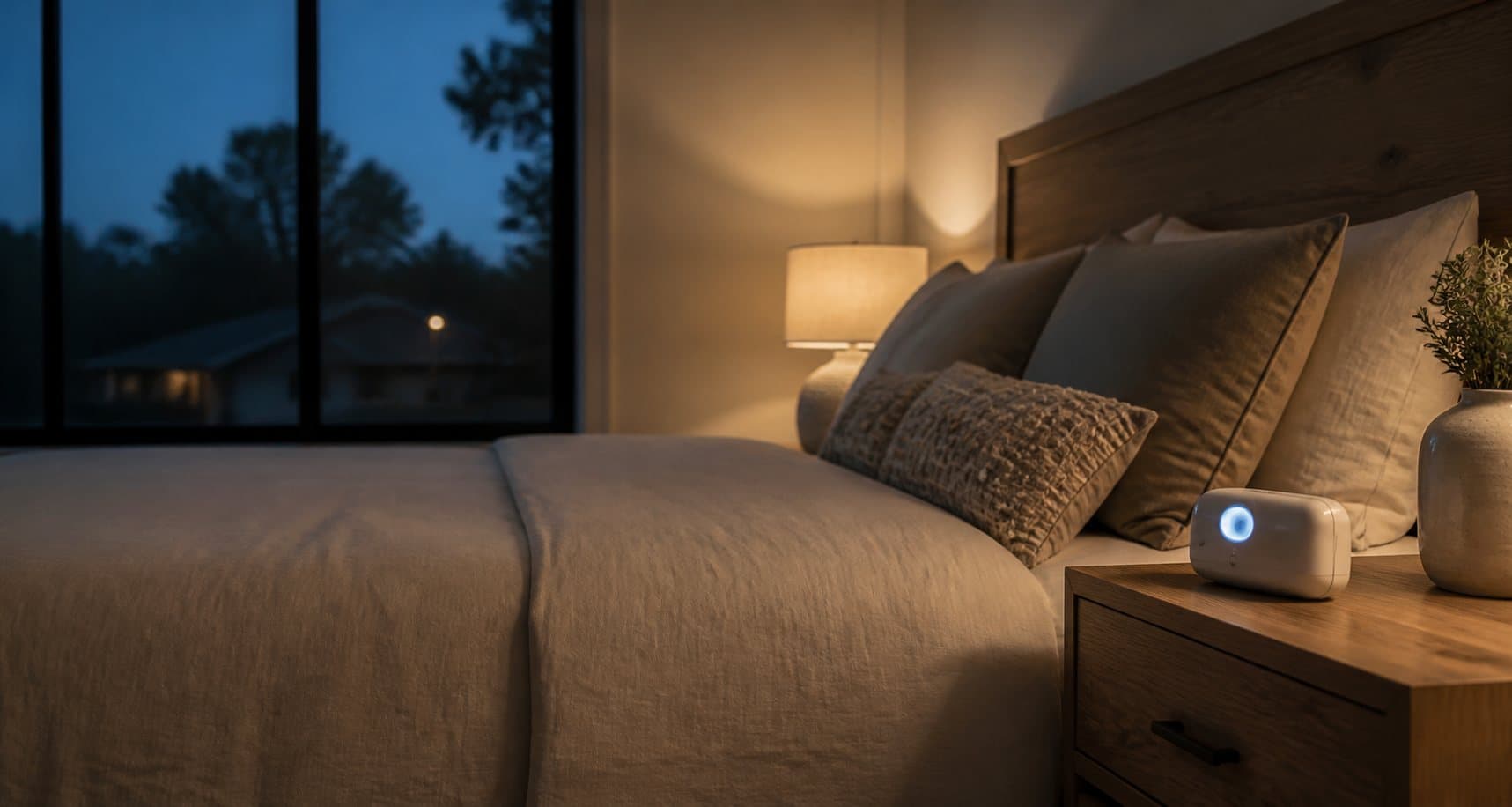
Bellman alerting receiver on a bedside table in a cosy bedroom
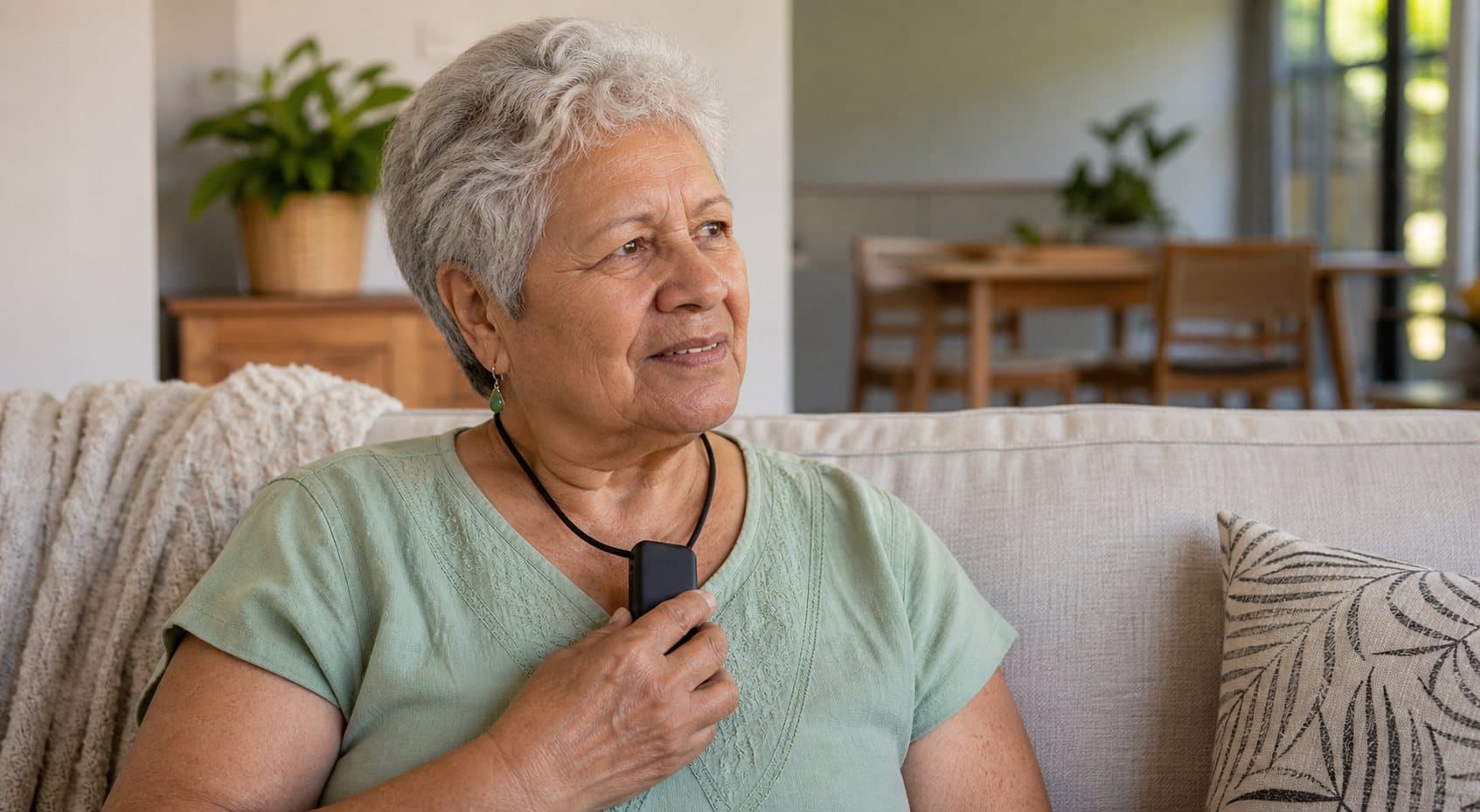
Older adult independently using a personal amplified listening device with a neck loop
Who it's for

When hearing isn't a reliable way to find out

A household runs on sound — the doorbell, the phone, the smoke alarm, the alarm clock. These are the situations assisted hearing technology solves outright.

Deaf and hard-of-hearing NDIS participants

Every alert most households take for granted — the doorbell, the phone, the smoke alarm — is rebuilt on a channel you can actually perceive: a flash, a vibration, or a pager.

Heavy sleepers who miss alarms

A vibrating pad under the pillow or mattress wakes you when sound alone doesn't, whether that's an alarm clock or a smoke alarm in the middle of the night.

Households with hearing aids or cochlear implants

Neck loops and telecoil-compatible amplifiers add to what you already wear rather than requiring you to take it out or use it instead of your device.

Families and support workers needing reassurance overnight

Bed-exit sensors and pager systems let a carer know when it matters, without a monitor or camera running constantly in the background.

What's in the system

Every everyday alert, rebuilt on a channel you can perceive

Doorbell & visitor alerts

A door transmitter flashes a lamp or buzzes a pocket pager the instant someone's at the door — no relying on hearing a knock or chime.

Phone call alerts

Landline and mobile transceivers turn a ringing phone into a flash or a vibration, so calls aren't missed while you're in another room.

Smoke & CO alarm integration

Connects to your existing smoke and CO alarms and triggers a bed shaker powerful enough to wake a heavy sleeper — the one alert that can never be missed.

Personal amplified listening

Amplifiers stream speech straight past background noise, with neck loops for hearing-aid and cochlear-implant telecoil users.

Heavy-sleeper alarm clocks

Vibrating alarm clocks sit under the pillow or mattress, built specifically for people sound alone won't wake.

Overnight monitoring & pagers

Bed-exit sensors and pager systems built for shared and SDA homes, so a carer knows without a baby monitor left running all night.

Matching product to situation

Which alert are you missing?

Most households end up with two or three linked devices — one for daily alerts, and one dedicated to life-safety.

Common household alerts, the Bellman & Symfon product that solves each one, and how it works
SituationProductHow it works
Someone's at the doorDoor transmitter + flash or pager receiverFlashes a lamp or buzzes a pocket pager the moment the doorbell is pressed, so you never miss a visitor or a delivery.
The phone ringsTelephone or mobile transceiverConverts an incoming call into a flash or vibration synced to the ring, wherever you are in the house.
Smoke or CO alarm soundsAlarm transmitter + bed shakerA pad under the mattress vibrates hard enough to wake a heavy sleeper, day or night — the highest-priority alert in the system.
Waking up on timeVibrating alarm clockA vibrating pad under the pillow, with an optional flashing light, so waking up doesn't rely on hearing anything at all.
Hearing conversation over background noisePersonal amplifier with neck loopStreams speech directly to your ear or hearing-aid telecoil, cutting through room noise, TV or traffic.
Checking on someone overnightBed-exit sensor + pagerPages a carer the moment someone gets up and doesn't return, without a camera or an open monitor line.
Worth knowing

The six things that make this system reliable

An alerting system is only as good as its weakest link. These are the questions we work through at the assessment.

Radio, not just Wi-Fi

The alerting network runs on its own wireless link between transmitters and receivers, so a doorbell or smoke alarm alert still gets through if your internet drops out.

Works with hearing aids and cochlear implants, not around them

Neck loops and telecoil-compatible amplifiers add to your existing device rather than requiring you to remove it or choose between the two.

Battery backup on life-safety alerts

Smoke and CO alarm integration includes power redundancy, so a bed shaker can still trigger during a mains outage.

One receiver, several transmitters

A single pager or flash receiver can be linked to the doorbell, phone and smoke alarm at once, so you're not carrying multiple devices.

Fits into a wider smart home

Alerts can also flash your existing smart lighting, so a single event is impossible to miss anywhere in the house. See our smart home overview for how the two connect.

Built for SDA and shared homes

Pager systems are designed for multi-resident settings, where more than one person needs to be alerted independently without cross-triggering.

NDIS funding pathway

How assisted hearing technology gets into an NDIS plan

Assisted hearing and alerting equipment typically sits under the Assistive Technology budget in your plan.

  1. Talk with your support coordinator, LAC or occupational therapist about which everyday alerts you're missing — the doorbell, the phone, the smoke alarm, or waking up.

  2. Your OT prepares an Assistive Technology assessment describing the functional hearing barrier the equipment addresses.

  3. Innogreen provides written quotes, product documentation and installation scope for the report.

  4. The assessment goes into your plan review or a variation request; the NDIA makes the decision.

  5. On approval we install, pair every transmitter to every receiver, and hand over training and quick-reference guides.

Funding is never guaranteed. Whether the NDIS funds assisted hearing technology depends on your individual plan and goals — always confirm with your planner, LAC or support coordinator. See our NDIS Funding Guide for a plain-language walkthrough.

Working with Innogreen

From first call to nothing being missed

  • Free consultation to identify which everyday alerts matter most to you — door, phone, smoke alarm, or waking up.
  • Equipment matched to your hearing profile, your home, and your funding pathway.
  • Installation and pairing by trained technicians, usually completed in a single visit.
  • Every transmitter tested against every receiver before we leave.
  • Handover training for you, your family and your support team, plus printed quick-reference cards.

Frequently asked questions

Assisted hearing and alerting equipment may be funded through your NDIS plan when it addresses a functional need and is backed by evidence from your OT or support coordinator, most often through the Assistive Technology budget. Approval always depends on your individual plan, goals and reasonable-and-necessary assessment, so please confirm with your planner, LAC or support coordinator.

No. Hearing aids and cochlear implants amplify sound for your ear and are fitted by an audiologist. What we install is environmental alerting and amplification technology — it turns a doorbell, phone or smoke alarm into a flash, vibration or pager alert, and complements a hearing aid rather than replacing one.

No. The core alerting network — doorbell, phone and smoke alarm transmitters talking to your receivers — runs on its own wireless link and works without an internet connection. This also means alerts still get through if your home broadband drops out.

Receivers and pagers run on batteries, and life-safety alerts like smoke and CO alarm integration are built with power redundancy in mind. We check backup power as part of every installation, particularly on the alerts that matter most.

Yes. An alarm transmitter listens for your existing smoke and CO alarms, whether they're standalone or interconnected, and triggers a bed shaker or flash alert without needing to replace the alarms themselves.

Yes. Each person can have their own receiver or pager, which is particularly useful in shared and SDA homes where more than one resident needs independent alerting.

Often, yes. Hearing aids amplify sound, but most people still find it hard to reliably hear a doorbell, phone or smoke alarm while asleep, in another room, or in a noisy environment. Alerting technology covers that specific gap rather than duplicating what your hearing aid already does.

We run through the full system with you and your household at handover and leave printed quick-reference cards for each device. Most people are confident using it within the first day.

Ready for nothing to depend on hearing it?

Book a free hearing needs assessment. We'll work out which alerts matter most to you and prepare the documentation your OT and support coordinator need.